Plant Tissue Culture Protocols
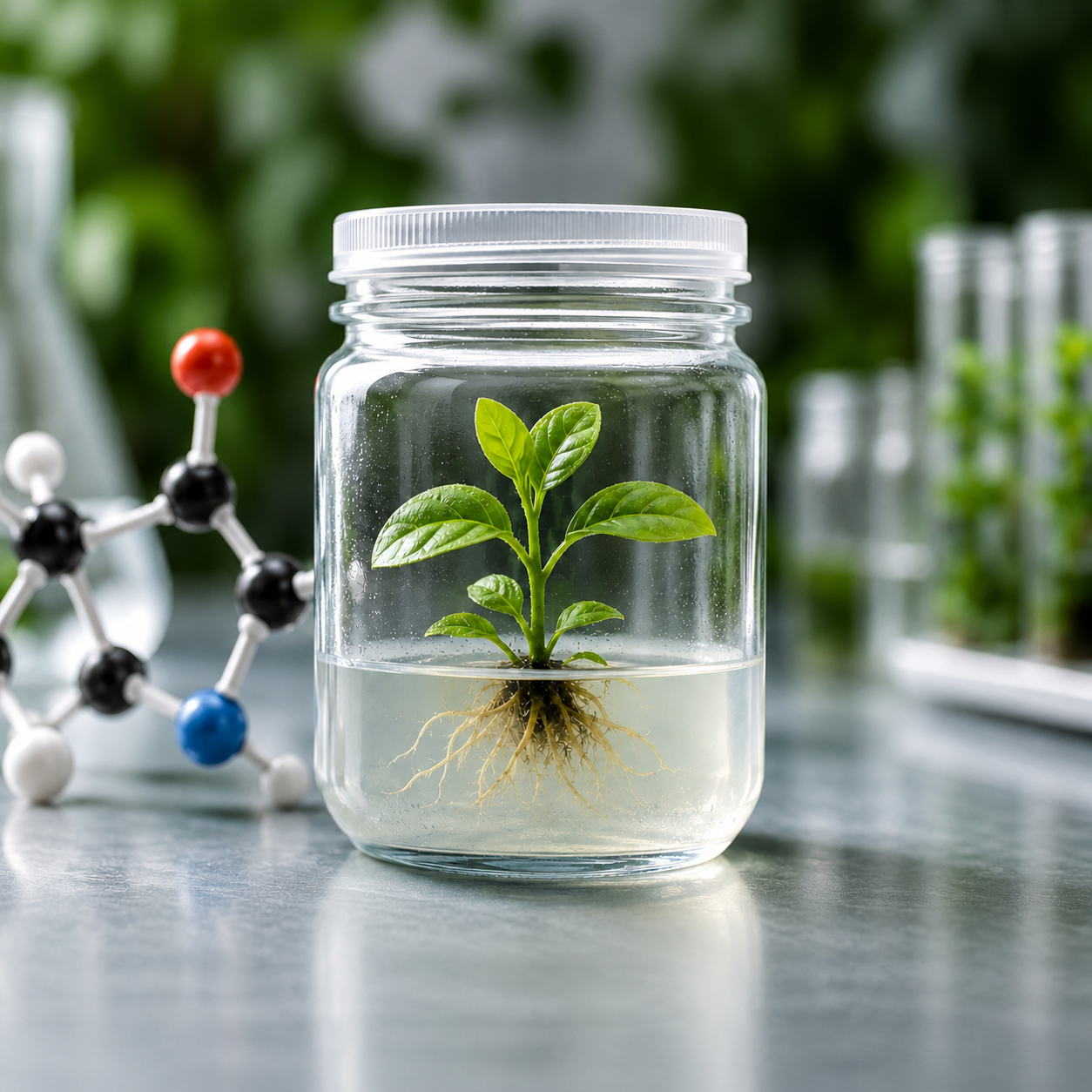
Plant tissue culture protocols are highly specific, step-by-step instructions used to cultivate whole plants from small samples of plant tissue (explants) in a controlled, sterile laboratory environment. These protocols meticulously detail every aspect of the in vitro process, beginning with the rigorous surface sterilisation of the explant to prevent microbial contamination. They dictate the exact formulation of the synthetic nutrient medium. This including specific concentrations of macronutrients, micronutrients, vitamins, and a carbon source. They also require a precise balance of plant growth regulators (hormones like auxins and cytokinins) required to trigger the tissue to multiply, develop roots and shoots, or form an unspecialised mass of cells known as a callus. Furthermore, these protocols outline the exact environmental conditions needed for the incubation room, such as temperature, light intensity, and photoperiod, ensuring the successful cloning, disease elimination, or genetic modification of a specific plant species.
Plant Growth Regulators in Plant Tissue Culture: A Complete Guide
Complete Guide to Micropropagation and Plant Tissue Culture in the UK

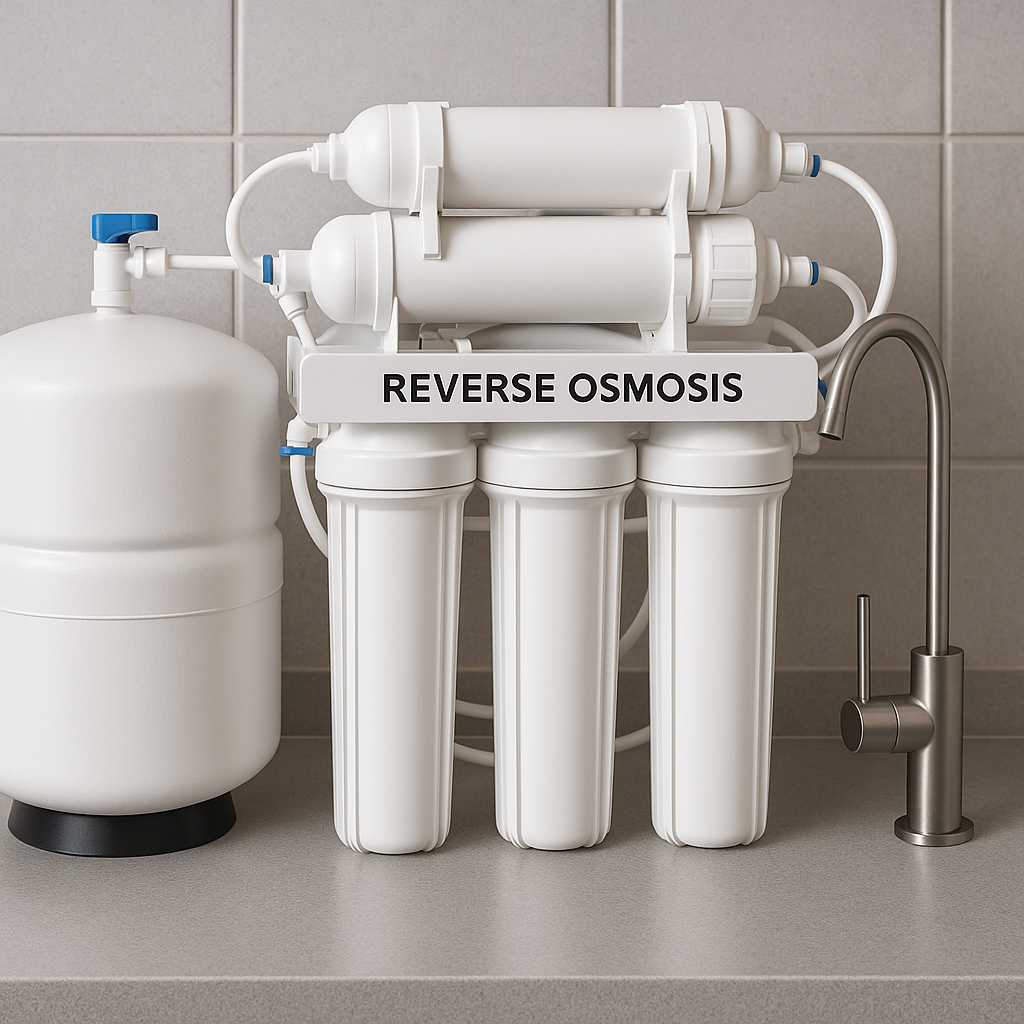
Benefits of Reverse Osmosis Water for Plant Tissue Culture