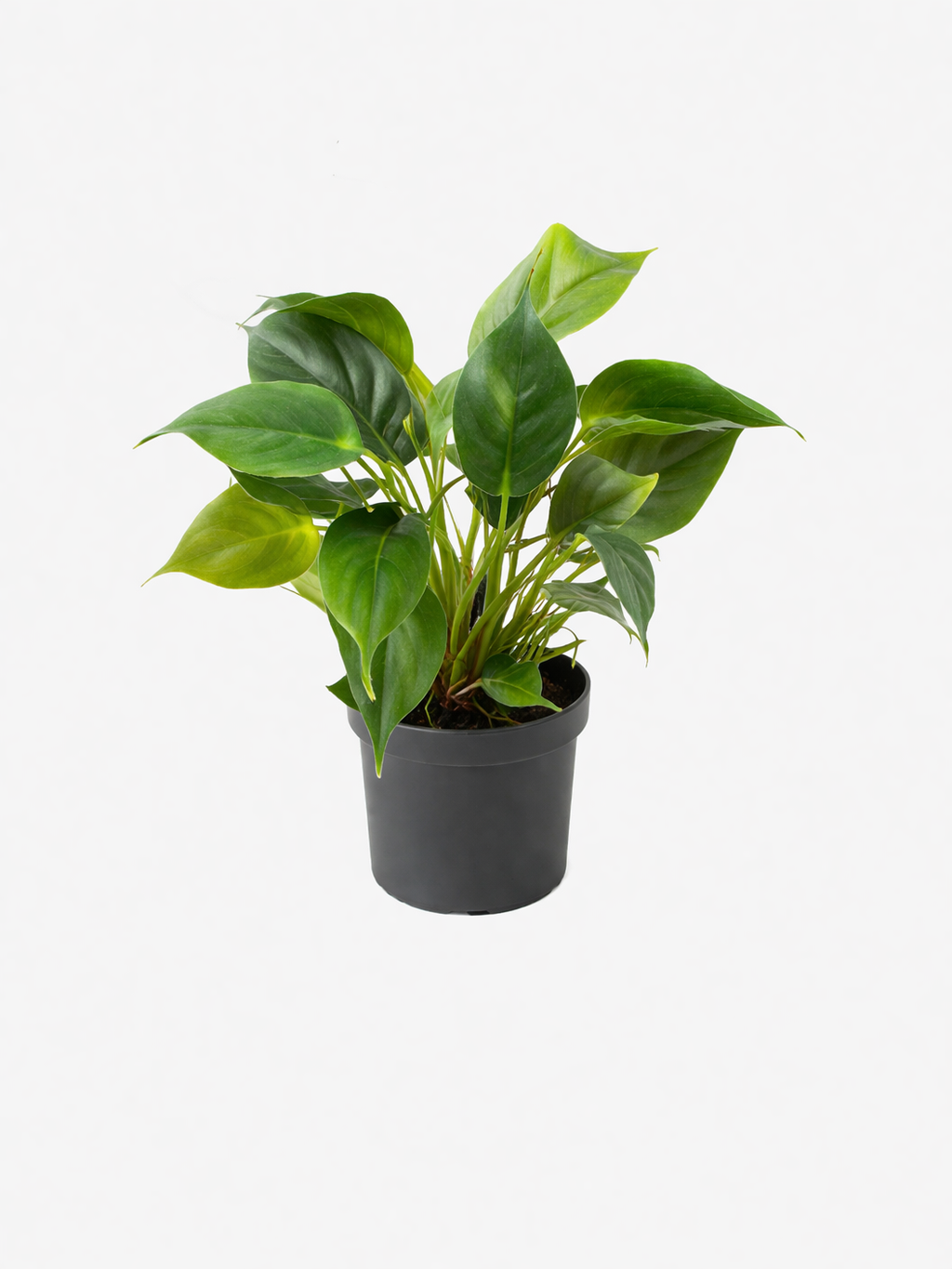
Philodendron Tissue Culture Protocol
Welcome to this comprehensive Tissue Culture Protocol for the Philodendron genus. Whether you are preserving a rare variegated cultivar or simply exploring cloning plants at home, this guide is designed specifically for the home hobbyist. Micropropagation is an excellent way to rapidly multiply your collection, and with a basic home laboratory setup and good sterile technique, Plant Tissue Culture can become a highly rewarding part of your indoor gardening journey.
Explant
For successful Philodendron tissue culture, the most reliable explant for a home hobbyist is the nodal segment (for vining varieties) or the shoot tip/lateral bud (for self-heading varieties). A node contains the axillary bud from which new growth will emerge. Ensure you select healthy, actively growing tissue, avoiding old, woody stems or overly mature leaves.
Sterilisation Method
Philodendrons often have dried sheaths (cataphylls) covering their nodes. These sheaths are notorious for harbouring mould spores and bacteria and must be removed. All steps from step 4 onward must be completed inside your sterile workspace.
- Pre-wash: Carefully peel away any dried sheaths or dead plant material from the node. Vigorously wash the stem sections under running tap water with a few drops of standard dish soap for 5-10 minutes.
- Alcohol Dip: Submerge the explants in 70% Isopropyl Alcohol (IPA) for exactly 30 seconds. Philodendron tissue can be slightly more tender than Monstera, so do not exceed this time.
- Bleach Solution: Transfer the explants to a sealed container holding a 10% household bleach solution (1 part standard unscented bleach to 9 parts water) mixed with 3 drops of dish soap or Tween-20 to act as a surfactant.
- Agitation: Shake the container gently but continuously for 10 to 12 minutes.
- Sterile Rinses: Carefully drain the bleach and rinse the explants three separate times using sterile, distilled water. Leave the explants in the water for 3 minutes for the first two rinses, and 5 minutes for the final rinse to ensure all chemical residue is removed.
Media Formulation [1 Litre]
The following recipes are based on a 1-litre volume using standard Murashige and Skoog (MS) media powder. For all stages, you will need 30 grams of standard table sugar (sucrose) and 7-8 grams of agar as a gelling agent. Ensure the pH is adjusted to 5.6-5.8 before adding the agar and pressure cooking (sterilising) your media.
Stage 1: Establishment
- 100% (Full-strength) MS Media
- 1.0 mg/L BAP (6-Benzylaminopurine)
- Goal: To safely introduce the explant to the nutrient media, stimulate the axillary bud to swell, and monitor the container for initial contamination.
Stage 2: Multiplication
- 100% (Full-strength) MS Media
- 2.0 to 3.0 mg/L BAP
- 0.1 mg/L NAA (1-Naphthaleneacetic acid)
- Goal: The elevated cytokinin (BAP) forces the plant to break apical dominance and rapidly push out multiple new shoots.
Stage 3: Rooting
- 50% (Half-strength) MS Media
- 1.0 mg/L IBA (Indole-3-butyric acid)
- Goal: Philodendrons root very easily. Lowering the fertiliser content and adding a rooting hormone (IBA) prepares the plantlets for successful acclimatisation into soil.
Sterile Environment Methods
Once your explants are sterilised, they must be trimmed and plated in a completely sterile environment to prevent airborne mould and bacteria from ruining your cultures.
Still Air Box (SAB) Method
A Still Air Box relies on completely still air to prevent contaminants from floating into your workspace.
- Preparation: Spray the entire interior of the SAB with 70% IPA and wipe it down with a clean paper towel.
- Load the Box: Place your sealed, sterile media containers, your sterile water container (holding the explants), and your sterile tools into the box. Spray the outside of every container with IPA as it enters the box.
- Wait: Close the armholes and wait 10 minutes. This crucial step allows the alcohol fumes to settle and any disturbed airborne particles to fall to the floor of the box.
- Workflow: Insert your arms slowly. Minimise sudden hand movements to keep the air still. Using your sterile tools, trim the dead, bleached ends off the node.
- Plating: Open your media container, place the node gently on the surface of the agar (with the bud facing up and slightly exposed), and quickly seal the lid. Do not reach your hands or arms over open containers.
Laminar Flow Hood Method
A Flow Hood pushes a constant stream of HEPA-filtered, sterile air toward you, creating a highly forgiving clean workspace.
- Preparation: Turn on the flow hood and let it run for at least 30 minutes before working to purge the room air. Wipe the stainless steel working surface with 70% IPA.
- Placement: Place your sterile tools, media, and explants in the middle of the hood workspace. Keep all items at least 6 inches from the front edge of the filter.
- Mind the Airflow: The most critical rule is to never block the clean airflow. Do not place your hands, non-sterile items, or tool handles behind open containers or the explant, as you will cast a "dirty shadow" of unfiltered air over your sterile work.
- Workflow: Using your sterile tools, carefully trim the bleached ends of the node to expose fresh, green tissue.
- Plating: Open the media container at a slight angle facing the filter. Plate the explant with the bud facing upward, and close the lid immediately.
Notes
Phenolic Exudation: Some Philodendron species bleed sap when cut, which oxidises and turns the media brown or black around the explant. This can stunt growth. If the media turns very dark within the first few days, you may need to move the explant to a fresh container of media in your sterile workspace.
Variegation Stability: If you are micropropagating highly variegated plants (like a Pink Princess or White Wizard), be aware that tissue culture can sometimes cause the variegation to shift. Selecting nodes that show good striping on the stem itself yields the best chance of producing highly variegated clones.
Closing
Philodendron micropropagation is a fantastic way to multiply your favourite aroids. While removing the tiny sheaths and dealing with occasional sap oxidation can be a slight learning curve, the rapid multiplication rate of this genus makes it incredibly fun. Stick closely to your sterile techniques, keep a close eye on your containers for the first two weeks, and enjoy the process of expanding your indoor jungle!
Plant Growth Regulators in Plant Tissue Culture: A Complete Guide
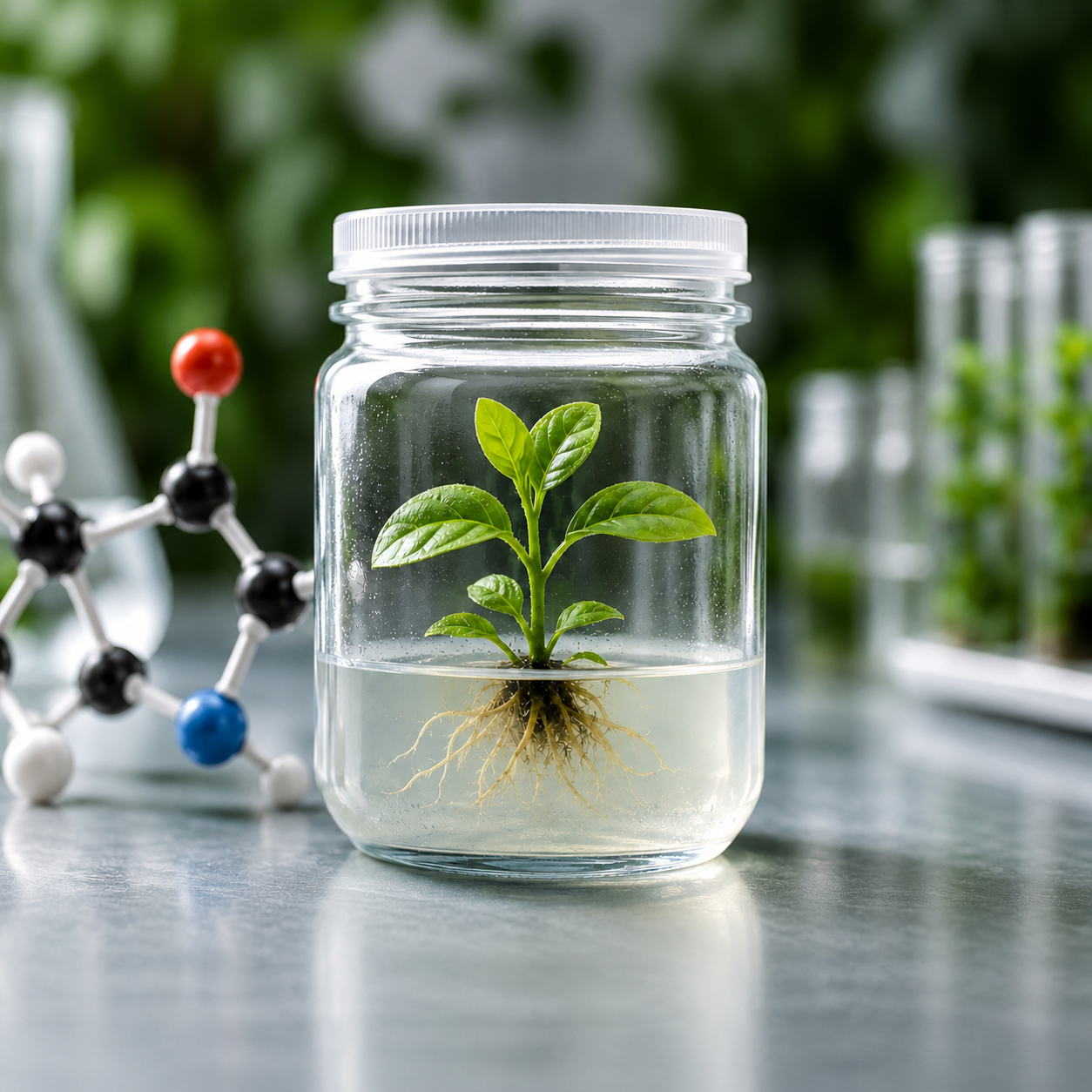
Complete Guide to Micropropagation and Plant Tissue Culture in the UK

Benefits of Reverse Osmosis Water for Plant Tissue Culture