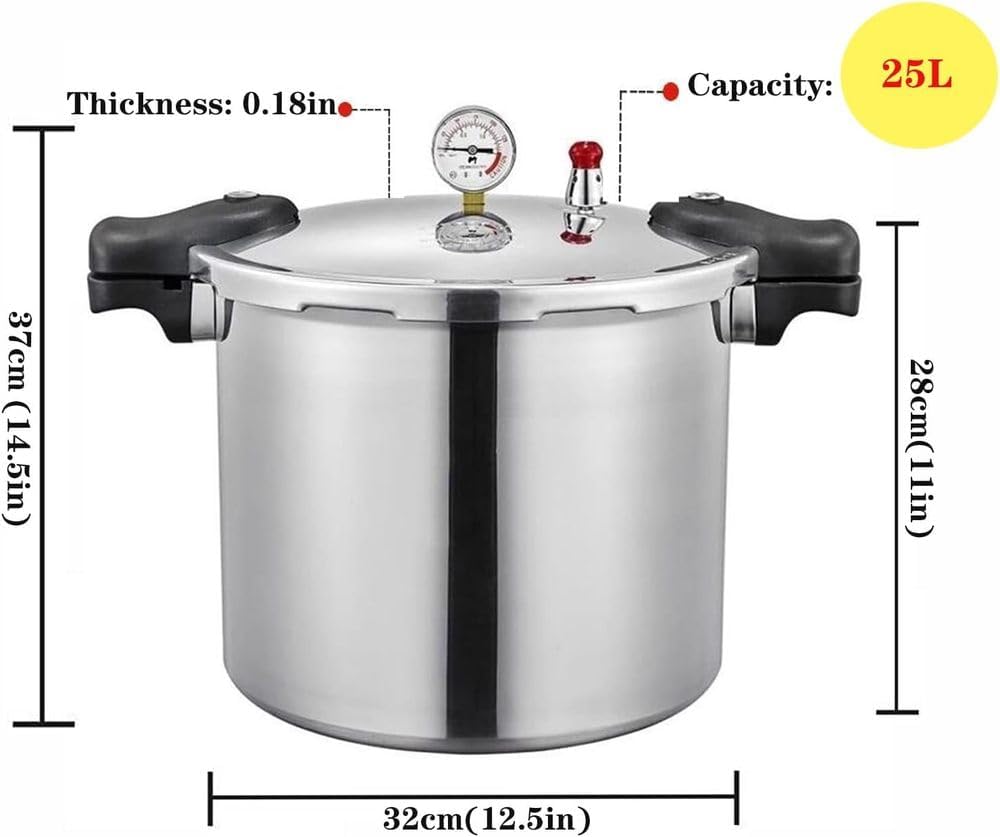
25 Litre Pressure Cooker for Media Sterilising
A 25 litre pressure cooker is an excellent choice for users who need a large-capacity vessel for batch cooking, food preservation, and a variety of practical household or laboratory-related tasks. Its generous internal volume makes it suitable for processing larger quantities than conventional domestic pressure cookers, while maintaining the efficiency and time-saving benefits associated with pressure cooking.
For home laboratory enthusiasts, a large pressure cooker is often considered for sterilising heat-resistant equipment, media containers, glassware, and other laboratory accessories where appropriate. While a pressure cooker can provide effective steam sterilisation for many applications, it should not be regarded as a replacement for a certified laboratory autoclave where validated sterilisation standards are required.
Features and Benefits
The primary advantage of a 25 litre pressure cooker is its increased capacity, allowing multiple items or larger batches to be processed in a single cycle. This can improve efficiency when preparing food, preserving produce, or carrying out routine sterilisation tasks at home.
Most high-capacity pressure cookers are constructed from durable aluminium or stainless steel and include secure locking mechanisms, pressure regulation systems, and safety valves designed to provide reliable operation. Their robust construction makes them suitable for frequent use when operated according to the manufacturer's instructions.
Typical Applications
A 25 litre pressure cooker is commonly used for batch cooking soups, stocks, stews, and preserves, while also serving hobbyists who require steam sterilisation for equipment used in microscopy, mycology, hydroponics, educational science projects, or general home laboratory work. Its spacious design accommodates larger containers and multiple items more efficiently than smaller pressure cookers.
When selecting a large pressure cooker, consider factors such as overall capacity, construction material, compatibility with your heat source, pressure control features, and integrated safety systems. Choosing the right model ensures dependable performance across a wide range of practical applications while supporting safe and efficient operation.
Plant Growth Regulators in Plant Tissue Culture: A Complete Guide
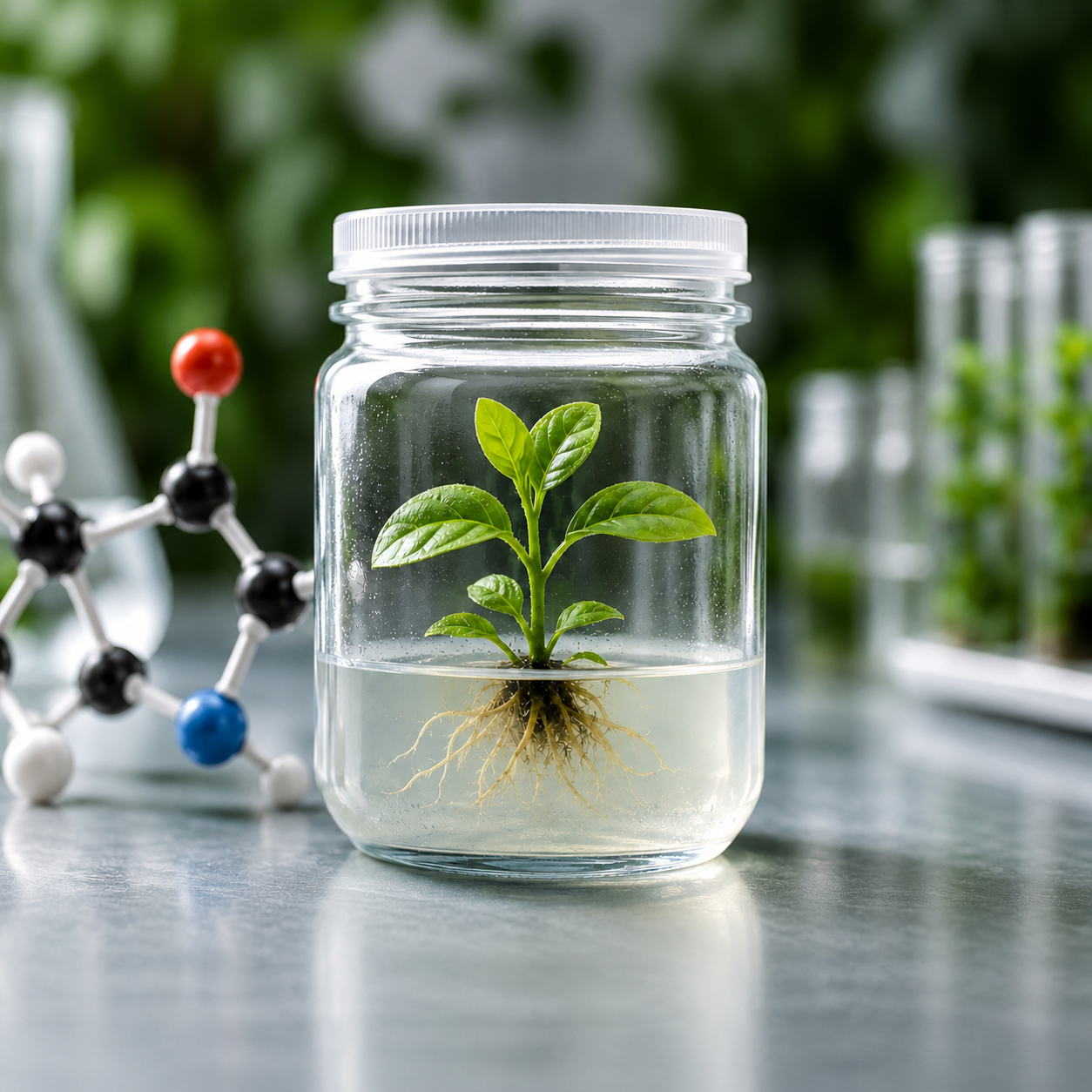
Complete Guide to Micropropagation and Plant Tissue Culture in the UK

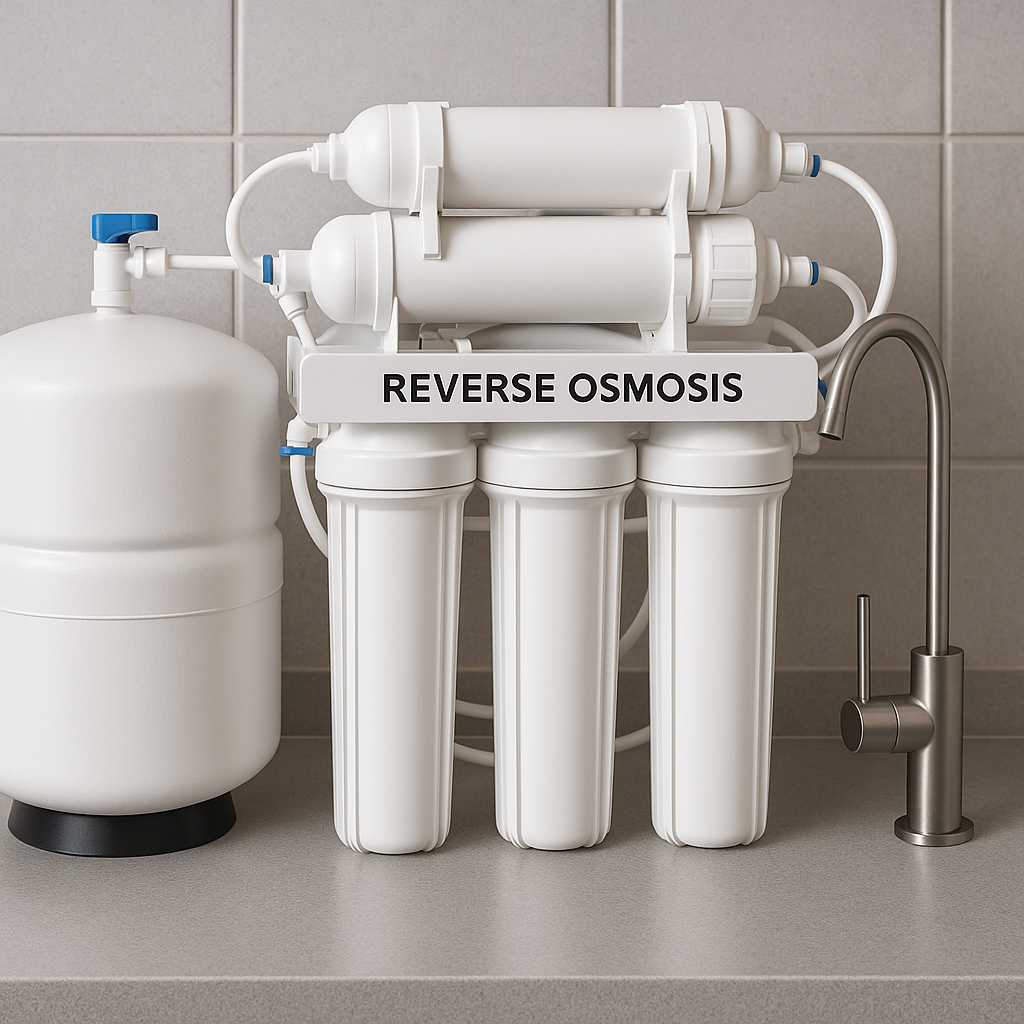
Benefits of Reverse Osmosis Water for Plant Tissue Culture