Complete Guide to Micropropagation and Plant Tissue Culture in the UK
Micropropagation and plant tissue culture are revolutionary techniques in horticulture and botany, allowing enthusiasts and professionals alike to multiply plants efficiently, economically, and with genetic consistency. Whether you are a home grower in the UK looking to clone your favourite orchid or start your own lab, this comprehensive guide will walk you through everything you need to know.
What is Micropropagation?
Micropropagation is a method of rapidly multiplying plant material to produce a large number of progeny plants using modern tissue culture methods. It’s performed in a sterile environment, typically on a culture medium under controlled conditions. This technique is ideal for rare, endangered, or high-demand plants.
Benefits of Micropropagation
- Genetic Uniformity: Produces identical clones of the parent plant.
- Rapid Multiplication: Hundreds to thousands of plants can be produced from a single explant.
- Disease-Free Plants: Cultured plants are typically free from pathogens.
- Space Efficiency: Thousands of cultures can be maintained in a small lab.
Understanding Plant Tissue Culture
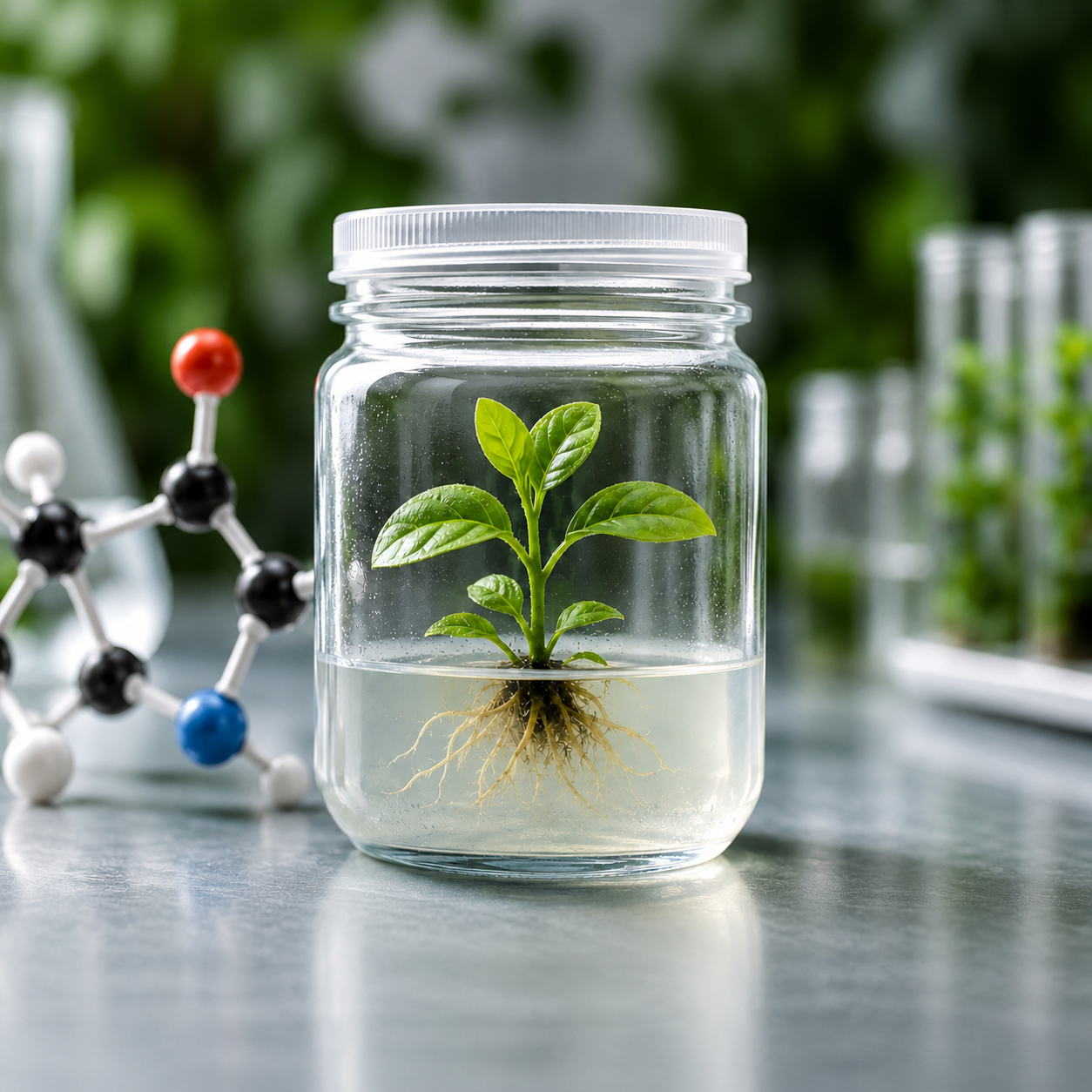
Plant tissue culture is the broader technique that encompasses micropropagation. It involves growing plant cells, tissues, or organs in an artificial nutrient medium under sterile conditions. This method allows for the regeneration of whole plants from minute tissue samples.
Core Techniques in Plant Tissue Culture
- Callus Culture
- Embryo Culture
- Organ Culture
- Protoplast Culture
Why Micropropagation is Gaining Popularity Among UK Hobbyists
The UK has seen a surge in interest in home-based plant tissue culture. With the rise of DIY biohacking, more enthusiasts are setting up mini labs in their homes. Micropropagation allows them to replicate prized plant specimens without relying on expensive commercial suppliers.
Popular Plants for Micropropagation in the UK
- Orchids
- Hostas
- Ferns
- Venus Fly Traps (Dionaea muscipula)
- Banana plants
- Succulents
Setting Up a Home Plant Tissue Culture Lab in the UK
Creating a functional tissue culture lab at home doesn’t require a huge investment. However, it’s crucial to maintain cleanliness and sterility. Here’s a guide tailored to UK home growers:
Essential Equipment
- Pressure cooker or domestic autoclave (for sterilising media and tools)
- Laminar flow hood or still-air box
- Grow lights (full spectrum LEDs are ideal)
- Petri dishes or culture jars
- pH meter
- Scalpels and forceps
- Alcohol (70% isopropyl or ethanol for surface sterilisation)
Common Culture Media
Murashige and Skoog (MS) medium is the gold standard for most plant tissue culture work. It is often customised with:
- Plant Growth Regulators (PGRs) such as auxins and cytokinins
- Vitamins and sugars (sucrose)
- Gelling agents like agar
Step-by-Step Micropropagation Process
Every plant will have it's own very detailed protocol. The following is a very general guide to the process.
Step 1: Selecting the Explant
Choose healthy, disease-free donor material such as shoot tips, leaf discs, or nodes.
Step 2: Sterilisation
Surface sterilise explants using diluted bleach (10%) for 10-15 minutes, followed by sterile water rinses.
Step 3: Culture Initiation
Place the explant onto sterile media in a clean workspace. Seal and label containers.
Step 4: Multiplication
Subculture growing tissues onto fresh media to encourage shoot proliferation.
Step 5: Rooting
Transfer shoots to rooting media containing auxins like IBA or NAA.
Step 6: Acclimatisation
Gradually transition plantlets to soil by first placing them in high humidity environments, then hardening off.
Overcoming Common Challenges in Home Tissue Culture
UK hobbyists often face a few typical challenges when learning micropropagation:
- Contamination: Prevent with thorough sterilisation and clean workspace practices.
- Media Preparation Errors: Always double-check pH, PGR concentrations, and ingredient purity.
- Lighting Issues: Maintain consistent photoperiods (typically 16 hours light/8 hours dark).
Best Sources for Tissue Culture Supplies in the UK
- Scientific Supply Companies: Cole-Parmer, Fisher Scientific
- Hobby Suppliers: Plant Cell Technology UK, eBay, Amazon UK
- Lab Equipment Retailers: Camlab, Philip Harris
Legal Considerations and Sustainability
In the UK, micropropagation is legal for hobby use, but commercial propagation of protected species may require permits. Always check the DEFRA guidelines and avoid propagating invasive species listed under the UK Wildlife and Countryside Act.
Micropropagation promotes sustainability by reducing the need to wild-harvest rare plants and encouraging responsible plant care and propagation.
Conclusion: Start Your Micropropagation Journey
Micropropagation and plant tissue culture are not only practical but deeply rewarding hobbies for UK plant enthusiasts. With a modest setup, the right knowledge, and patience, you can propagate your favourite plants efficiently and sustainably. Whether you're looking to multiply rare species or just explore plant science from your kitchen, now is the perfect time to start.
This guide is intended for educational purposes. Always follow local guidelines and laws related to plant propagation.
Plant Growth Regulators in Plant Tissue Culture: A Complete Guide
Benefits of Reverse Osmosis Water for Plant Tissue Culture